By Jalen Tart
On Oct. 15, 2018, the birth of the NCAA transfer portal transformed college athletics forever. It’s a database where athletes can enter and contact other schools and coaches. Previously, there was no such tool available to student-athletes. The new system aimed to “evolve Division I and Division II athletics by better supporting the sustainability of college sports,” according to the NCAA.
Since then, the transfer portal has become a central hub where thousands of athletes have transferred to finish their athletic careers.
Previously, a player needed a coach’s permission to transfer between schools. Now, players only need to submit their names to the transfer portal to be eligible to make a one-time move, though they must ask a university compliance officer to do so, according to the Courier Journal.
Previously, when players transferred between schools, they generally had to sit out a year, a practice known as redshirting. In 2021, however, the NCAA changed the rule, allowing a one-time transfer without redshirting, a clear benefit to the student-athlete.
Danielle Santos Atkinson, head coach of the Hofstra University women’s basketball team, said, “I can see [the portal] in multiple ways. There are pros and cons to every situation, and it affects people differently in every situation.”
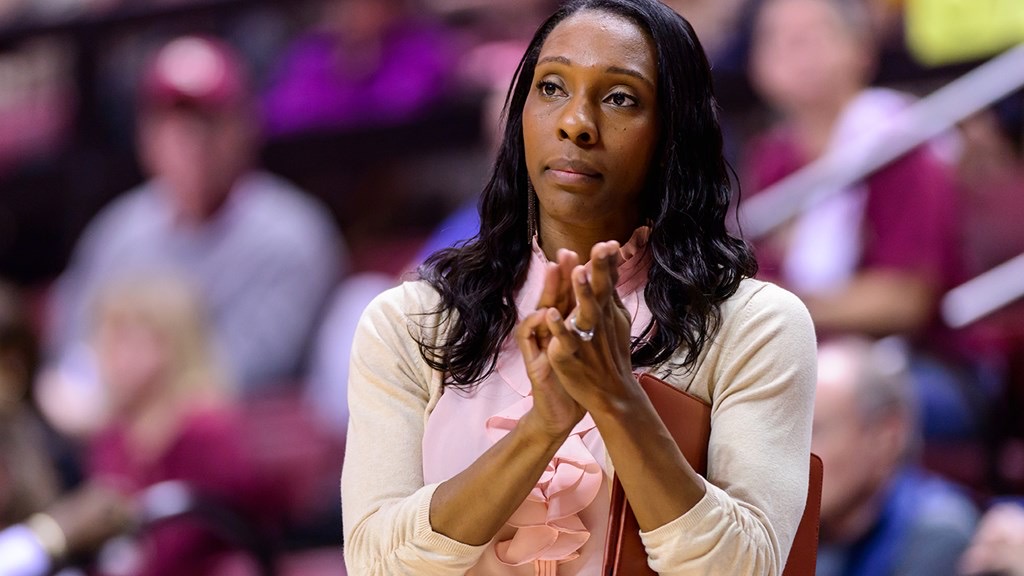
A potential downside to transferring for any player is the uncertainty that comes with moving to a new school. There is the change of a coach. Other athletes deal with the lack of support, available playing time, and homesickness when making a move.
“The portal is like a big, black hole,” said Brandy Thomas, a Hofstra graduate student and guard for the Pride women’s basketball team. “I wanted to try a new experience for myself — a new experience, a new environment, and wanting to be closer to home than I was before. I have seen the way Hofstra appreciates their athletes throughout my time here, whereas I didn’t feel the same recognition at LIU.”

The process of transferring, “on the other hand, was very overwhelming,” Thomas said. “I was getting an email every five minutes. You can either stand out or get sucked in.”
In the end, though, it all worked out for Thomas. “I was looking for a nice, healthy environment for me with a family atmosphere, and Hofstra gave me that,” she said.
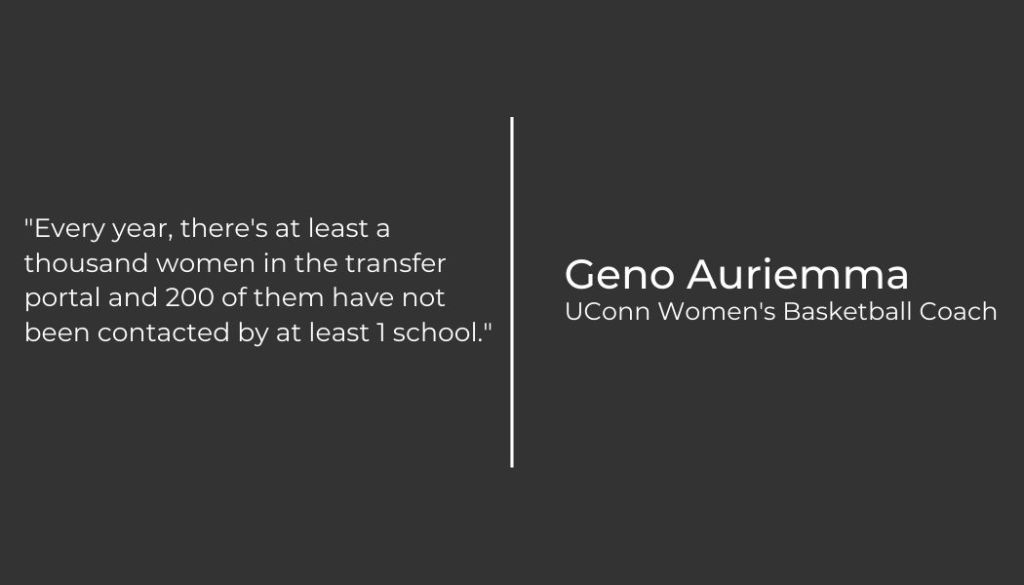
College football and basketball produce the most transfer athletes of all NCAA sports. In 2022, more than 1,500 Football Bowl Subdivision (FBS) scholarship players entered the transfer portal during the 2022-23 cycle according to the NCAA.
There are more than 2,000 scholarship athletes for both men’s and women’s college basketball who are currently in the portal whereas in college football, there are over 6,000 players who have entered the portal since the start of the 2022-23 football season, according to ESPN. With many players seeking to transfer, it can be difficult for athletes to land at their schools of choice.
“It has its positives and its negatives,” said Romanda Noble Watson, former college sports information director at Claflin University. The positive of the transfer portal is if you want to play right away, you have the option to be able to enter the portal and transfer right away … The downside of the transfer portal is that the system allows athletes to move from school to school when the goal is to get the student-athletes educated.” Obtaining a college degree, Watson noted, is most critical.
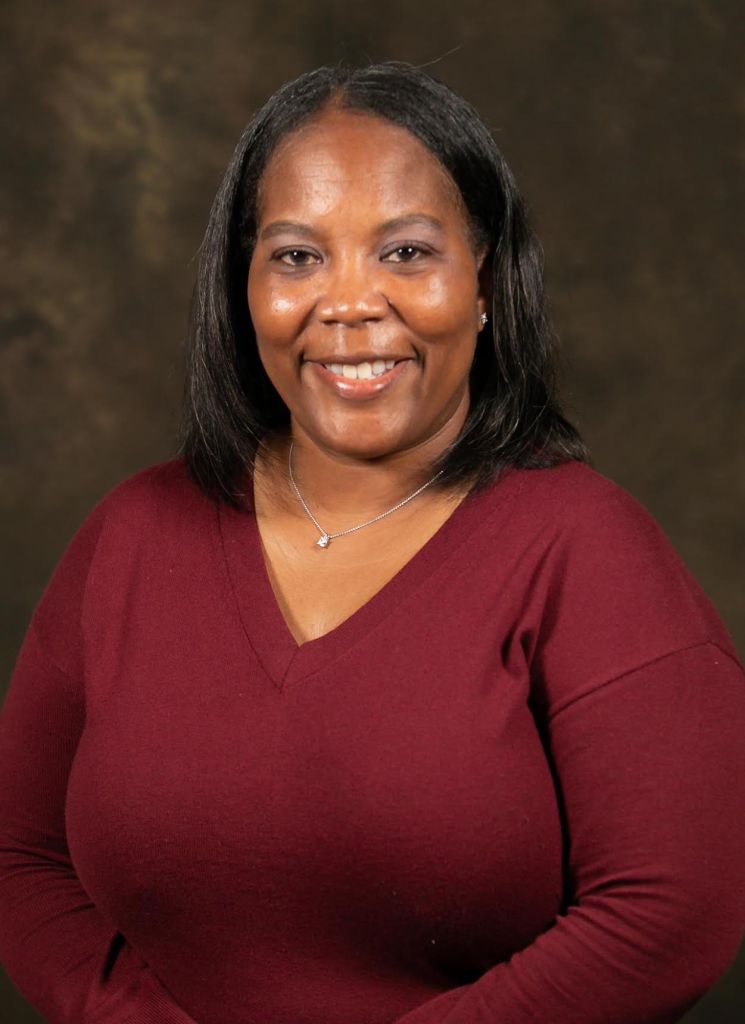
Coaches do benefit from the portal. They often use it as a recruiting tool to pull in transfer players to relieve the duty of recruiting players out of high school. Players appear to like that. On the other hand, the job security of a coach will often hang in the balance due to players transferring to another school.

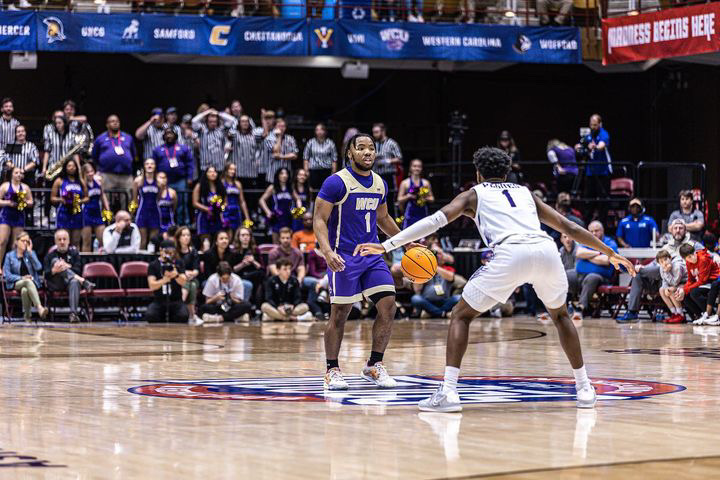
Transferring “was a no-brainer for me,” said Russell Jones Jr., a junior guard at Western Carolina University. “I wanted to go play for a coach who believed in me and let me play my game. Coach [Justin] Gray is a 13-year professional, and he’s done it at a high level.”
Transferring “was also a decision I had to make for my basketball career, as well in terms of expanding my game,” Jones continued. “I ultimately want to play professionally, but I had to make that decision for me to be able to play my game and leave my mark at a program like Western Carolina.”
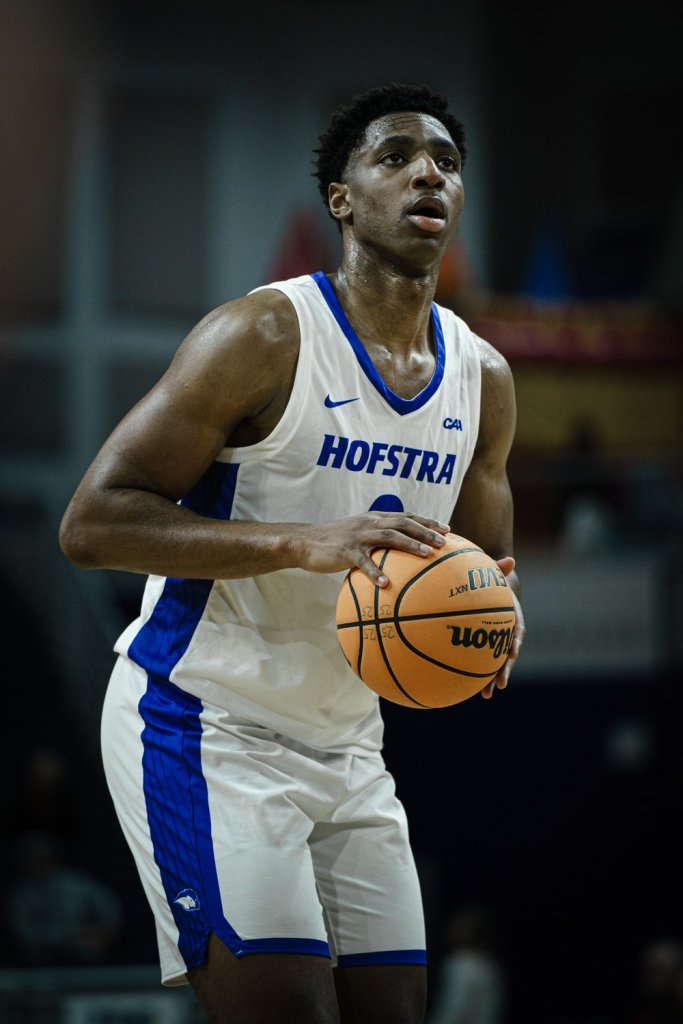
The transfer portal, athletes said, does allow many to pursue their dreams. “You have to dream big,” said Warren Williams, a Hofstra Graduate student, and member of the Pride men’s basketball team. “Being an international student from the Jamaican Islands was very easygoing for me. I just went to school, and for the rest of the summers, I committed to basketball. If you don’t dream big, you’re not going to get anything at all. You dream big so that even though you don’t hit your dream, you’re a step below big.”
 transferportal.blog